
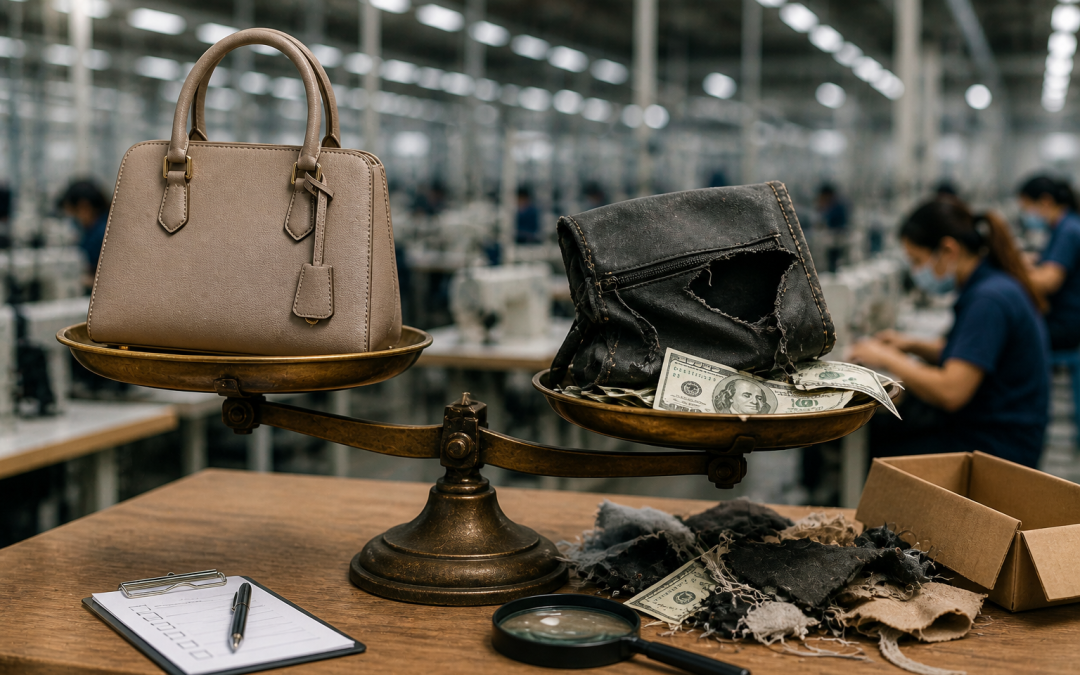
On paper, cheap manufacturing looks like a win. Lower unit prices, competitive quotes, and fast supplier onboarding can make it feel like you’ve optimized your costs. But for many businesses, those initial savings don’t last.
The reality is that cheap manufacturing often comes with hidden costs, and they don’t show up until production is already well underway.
What “Cheap” Really Means
A low price usually reflects trade-offs somewhere in the process. It might be:
- Lower-grade raw materials
- Reduced or no quality control checks
- Less experienced labor
- Compressed production timelines
None of these are always obvious upfront. In fact, many suppliers will meet your quoted specifications on paper. The challenge is ensuring those standards are actually followed during production.
Where the Real Costs Show Up
The biggest issue with cheap manufacturing is that problems tend to surface late, when they’re most expensive to fix.
Common downstream costs include:
- Rework and delays: Fixing defects can slow down timelines and increase labor costs
- Product failures: Defects that reach customers can lead to returns, refunds, and lost trust
- Missed deadlines: Late shipments can disrupt your entire supply chain
- Brand damage: Poor quality products can impact your reputation long-term
What initially looked like a cost-saving decision can quickly turn into a much larger expense.
The Hidden Risk: Lack of Oversight
In many cases, the issue isn’t just the price, it’s the lack of visibility.
When manufacturing overseas, you’re often not physically present to monitor production. Without proper oversight, small issues can go unnoticed until they scale into major problems.
This is especially true in fast-moving manufacturing environments like Vietnam, where production timelines are tight and supplier capabilities can vary.
Why Vietnam Still Makes Sense
Despite these challenges, Vietnam remains one of the most attractive manufacturing destinations globally.
With a skilled workforce, strong export infrastructure, and competitive pricing, it offers significant advantages over many other regions. However, success in Vietnam isn’t about choosing the cheapest supplier, it’s about choosing the right partner and maintaining control over your production with proper quality control.
How to Protect Your Investment
The key to avoiding the hidden costs of cheap manufacturing is proactive quality control.
Instead of waiting until production is complete, a structured approach includes:
- Pre-production inspections to verify materials and specifications
- In-line inspections to catch issues early
- Pre-Shipment inspections to protect product quality before goods leave the factory.
- Container loading supervision to avoid damaged, mixed, mishandled, or incorrectly documented before departure.
This layered process helps reduce risk, improve product consistency, and prevent costly surprises.
A Smarter Approach to Cost
The most successful businesses don’t focus solely on unit price, they focus on total landed cost.
That means factoring in:
- Quality consistency
- Production reliability
- Risk of defects and delays
- Long-term supplier performance
By taking a broader view, companies can make smarter decisions that protect both margins and brand reputation.
The Bottom Line
Cheap manufacturing isn’t always cheap.
The true cost often reveals itself through delays, defects, and lost opportunities. But with the right approach, and the right quality control partner – like Quality Control Vietnam, you can still benefit from competitive pricing without sacrificing quality.
Because in today’s global market, the goal isn’t just to manufacture at a lower cost.
It’s to find the right manufacturer who can provide you with the best quality products.
With over 20+ years of experience, Vietnam B2B Direct has helped thousands of companies source products that align with their business needs without compromising on quality or reliability. If you’re navigating manufacturing in Vietnam, reach out for a free quotation to see how the right support can make a difference.
Recent Comments