
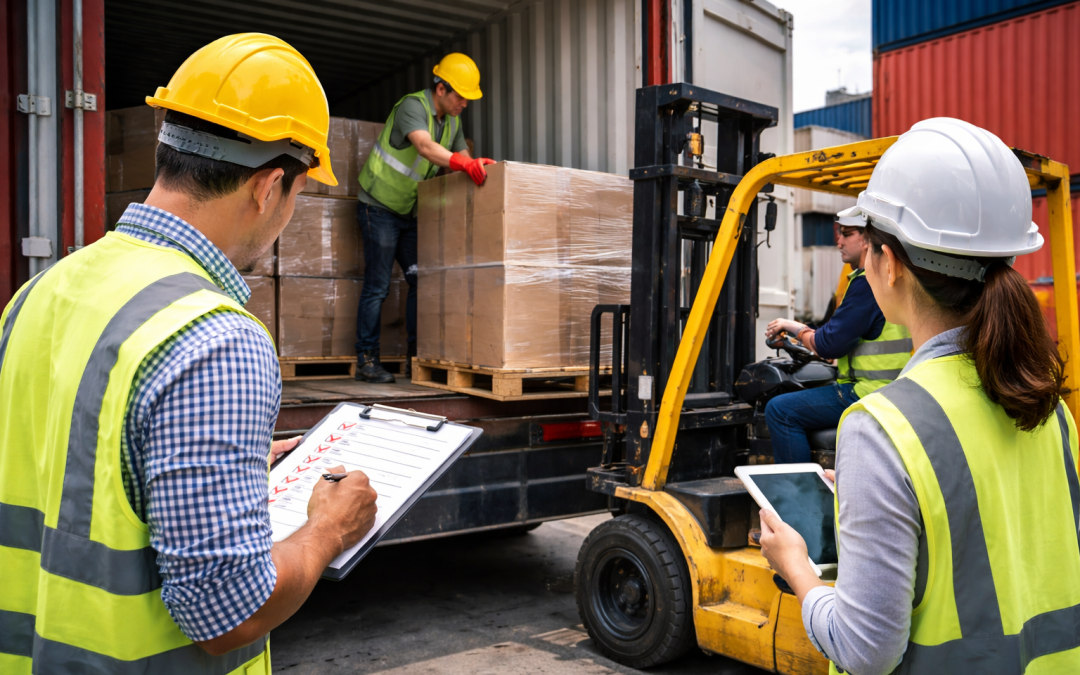
Many importers focus heavily on product inspections but overlook one of the most critical stages of the shipping process: container loading.
Even if your goods pass a Pre-Shipment Inspection, problems can still occur during loading. Without supervision, products that were approved in the factory can be damaged, mixed, mishandled, or incorrectly documented before departure. That’s why Container Loading Supervision (CLS) is a vital final safeguard in the quality control process.
1. Ensuring the Right Goods Are Shipped
One of the biggest risks during loading is shipment errors. Cartons may be:
- Mixed between different purchase orders
- Loaded in incorrect quantities
- Sustituted with unapproved goods
- Incorrectly labeled
Container loading supervision verifies that the correct products, quantities, and packaging configurations match the approved inspection report and purchase order.
2. Preventing Damage During Transit
Improper loading is a common cause of damaged goods. Weak stacking, poor weight distribution, or insufficient carton reinforcement can lead to crushing, shifting, or water damage during sea freight.
An on-site inspector checks:
- Carton condition before loading
- Proper palletization (if required)
- Stacking method and weight balance
- Container cleanliness and dryness
- Proper sealing procedures
These checks help reduce claims, returns, and costly disputes after arrival.
3. Verifying Container Condition
Before loading begins, inspectors examine the container itself. Hidden holes, moisture, strong odors, rust, or structural damage can compromise goods during transport.
A professional inspection ensures the container:
- Is structurally sound
- Has no visible leaks or damage
- Is clean and dry
- Is suitable for the product type
This simple step can prevent thousands of dollars in avoidable losses.
4. Monitoring the Entire Loading Process
Container loading supervision also confirms:
- Accurate carton count
- Proper container utilization
- Secure loading to prevent shifting
- Application of the correct container seal
- Documentation of seal number and photos for verification
This provides buyers with clear evidence that goods were loaded properly before departure.
5. Reducing Risk at the Final Stage
Many importers assume that once production is finished, risk is over. In reality, loading is the final control point before goods leave the country. Without supervision, even approved products can be compromised.
Container Loading Supervision acts as the last checkpoint in your supply chain, protecting your investment, reducing disputes, and ensuring transparency.
In international trade, small loading errors can lead to major financial consequences.Container Loading Supervision is your final opportunity to protect your shipment before it leaves the factory. With Quality Control Inspections Vietnam, you have experienced inspectors as your eyes, ears, and boots on the ground, verifying that the right products, quantities, and cartons are loaded correctly and securely.
Instead of relying on assumptions, you gain direct oversight and confidence that what was approved during inspection is exactly what leaves the factory and arrives at your destination without costly surprises.
Recent Comments