
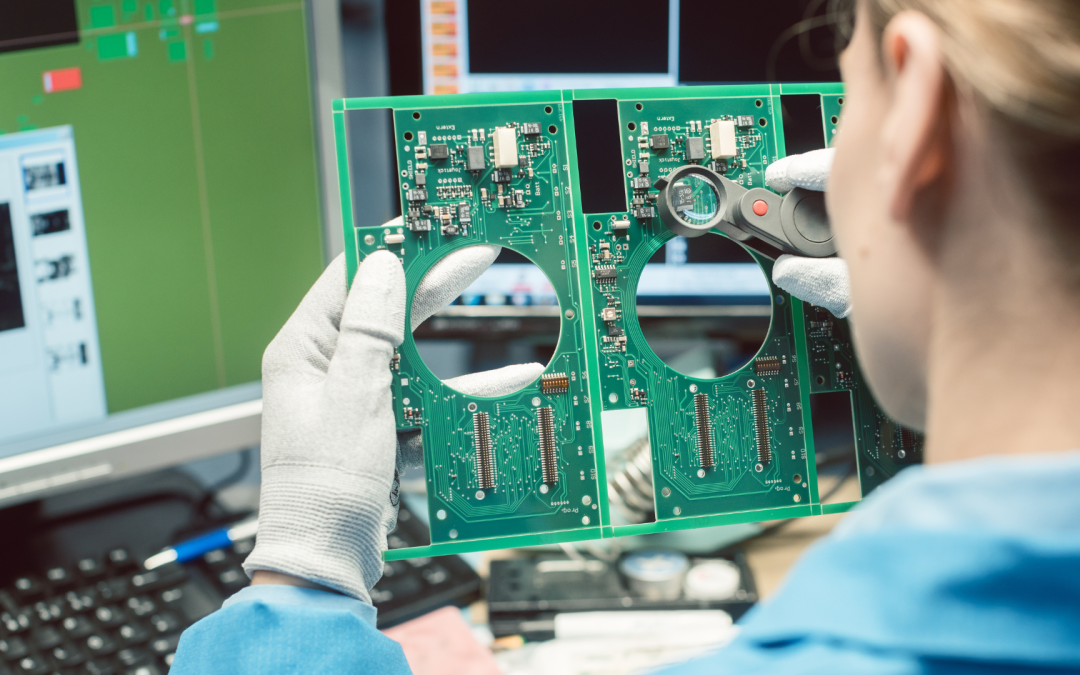
When placing a large manufacturing order in Vietnam, most importers focus heavily on the pre-production sample and the final pre-shipment inspection. While both are essential, relying on only these two checkpoints leaves one big vulnerability: you may not discover major issues until it’s too late to fix them.
This is where mid-production inspections (MPI) become one of the most powerful tools for safeguarding quality. For high-volume orders, especially those involving complex materials, multiple components, or strict brand standards, an MPI can determine whether your order succeeds or fails.
Below, we break down why mid-production inspections are crucial, what they uncover, and how they dramatically reduce risk for importers.
1. Catch Critical Issues Before It’s Too Late
By the time a pre-shipment inspection takes place, the full order is typically 100% produced and packed. If inspectors find a major defect at that stage, your only options are costly:
- Rework the entire order
- Negotiate discounts
- Delay your shipment
- Cancel production
- Accept damaged or off-standard goods
A mid-production inspection prevents these scenarios by catching problems while the order is only partially completed. This gives you and the factory time to correct mistakes before they spread across thousands of units.
Common issues discovered during MPI include:
- Incorrect materials or trims
- Wrong stitching patterns
- Poor surface finishes (wood, metals, ceramics)
- Incorrect colors or paint application
- Dimensional inconsistencies
- Weak adhesives or assembly issues
Once identified early, these issues can be corrected immediately, saving both time and money.
2. Ensure the Factory Is Following Approved Samples
Even if you’ve approved a perfect pre-production sample, that doesn’t guarantee the factory will replicate it consistently throughout mass production.
During a mid-production inspection, inspectors compare output to:
- Golden samples
- Spec sheets
- Tolerances
- Packaging requirements
- Branding and labeling instructions
Factories sometimes make changes without notifying the buyer, often to “speed up” production or cut internal costs. MPI prevents unauthorized adjustments from slipping through unnoticed.
3. Verify That Production Is on Schedule
Large orders, especially for export, rely on precise timelines. A mid-production inspection helps you monitor:
- Actual production progress
- Whether materials arrived on time
- Whether the factory is behind schedule
- If additional shifts are needed
- Whether bottlenecks are forming on the line
This visibility helps you make informed decisions about inventory planning, shipping deadlines, and order management. For seasonal items (fashion, holidays, home décor), timeline control is absolutely critical.
4. Provide Real Feedback at the Right Time
One of the most overlooked benefits of MPI is the ability to give real-time feedback that improves the remaining production.
Examples:
- If stitching is uneven, the factory can retrain operators.
- If finishing is inconsistent, the supplier can adjust machines or processes.
- If components don’t match the sample, sourcing can be corrected immediately.
This feedback loop dramatically improves final product quality and reduces downstream risk.
5. Reduce Overall Defect Rates and Rework Costs
Research and industry experience show that defects multiply as production continues if early issues aren’t corrected. For large orders, this can turn one small mistake into thousands of defective units.
Mid-production inspections help:
- Prevent defects from spreading
- Keep production aligned with standards
- Reduce the cost of rework
- Stabilize quality before final assembly
Factories appreciate MPI because it allows them to fix issues early rather than face large rework costs at the end.
6. Protect Your Brand Reputation
Large orders often supply:
- Retail chains
- E-commerce platforms
- Distributors
- National retailers
- Subscription box companies
A widespread defect in a large order can trigger returns, chargebacks, recalls, or negative reviews, damaging your brand’s reputation.
Mid-production inspections ensure the factory stays aligned with your brand’s standards before the order is too far advanced to correct.
How Quality Control Inspections Vietnam Supports Mid-Production Inspections
Many factories in Vietnam either lack a dedicated QC department or have internal teams that are stretched thin. This makes third-party verification essential, especially for large-volume orders where a single oversight can become extremely costly.
Quality Control Inspections Vietnam provides on-site MPI services that help importers:
- Catch defects early
- Confirm materials and components are correct
- Ensure production follows approved samples
- Verify the factory is on schedule
- Provide clear, photo-rich reports for immediate action
- Prevent costly surprises during final inspection
Our inspectors are on the ground across Vietnam’s major manufacturing hubs, Bình Dương, Đồng Nai, Ho Chi Minh City, Hanoi, Bắc Giang, and beyond, ready to step in exactly when you need oversight.
When issues are found, we work with both you and the factory to ensure corrections are made before production continues.
Mid-Production Inspections Should Not Be An Option for Large Orders
For large orders, skipping a mid-production inspection is one of the biggest risks an importer can take. With greater volume comes greater exposure to mistakes and greater cost when something goes wrong.
MPI gives you:
- Early visibility
- Real-time feedback
- Time to correct issues
- Protection from large-scale defects
- Confidence that production is on track
And with on-the-ground support from Quality Control Inspections Vietnam, you can be sure your order is monitored at every critical stage protecting your investment, your shipment, and your brand.
Recent Comments